
Blacksmith Master Ingot Guide: All Four Metal Chains
All four Blacksmith Master metal chains, what each ingot is used for, storage capacities per tier and which metals you should never buy.
Every weapon, tool and armour piece in Blacksmith Master is downstream of an ingot. There are four chains — iron, copper, silver and gold — each with three tiers, and each tier costs more material, more storage and more time than the one before.
The steel chain walkthrough→ follows one ore through every tier.
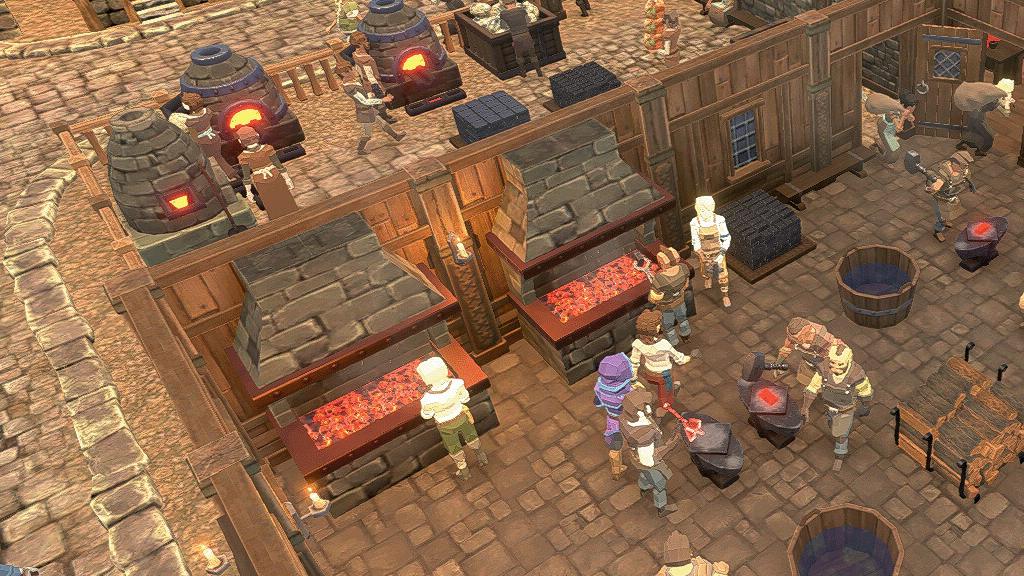
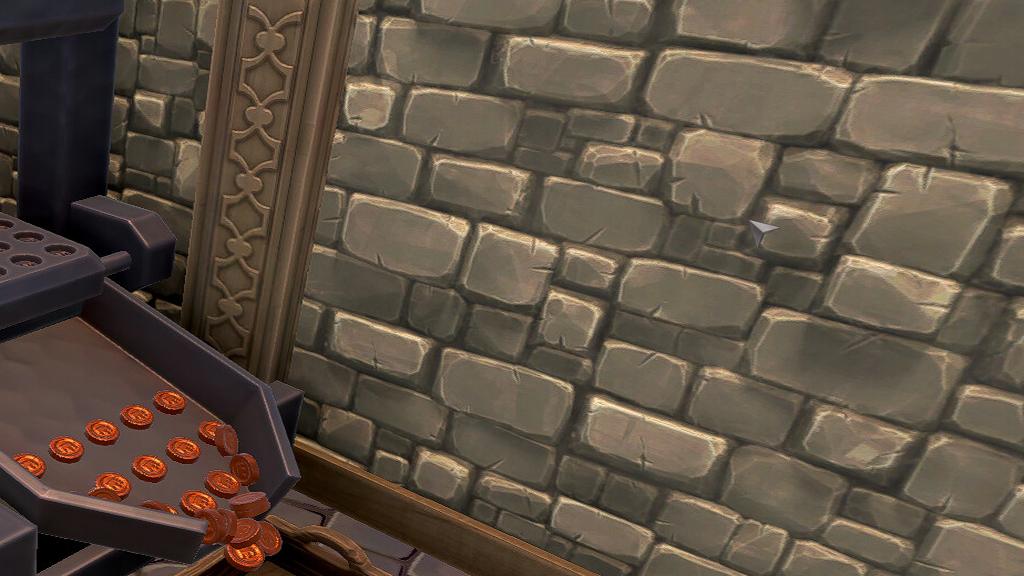
One cabinet holds 225 iron ingots but only 90 large ingots. Tier-three production needs three times the cabinet space for the same item count.
The four chains
| Chain | Tier 1 | Tier 2 | Tier 3 |
|---|---|---|---|
| Iron | Iron Ingot | Steel Ingot | Large Steel Ingot |
| Copper | Copper Ingot | Bronze Ingot | Large Bronze Ingot |
| Silver | Silver Ingot | Sterling Silver Ingot | Large Sterling Silver Ingot |
| Gold | Gold Ingot | Medium Gold Ingot | Large Gold Ingot |
Each tier-two ingot is smelted from tier-one ingots; each tier-three from tier-two. The naming is inconsistent — steel is not called "large iron", and gold jumps to "medium" before "large" — but the mechanic is uniform.
The blacksmith master how to make steel→ page goes deeper on the exact numbers and edge cases.
What each metal is for
Iron is the volume metal. Daggers, swords, shovels, pitchforks, horseshoes, nails. Low margin per item, high item count, and the only metal you can buy at both ore and ingot stage.
Steel is the weapon and armour metal. It unlocks the 300 to 600 gold price band and most of the 1.0 item sets. Steel is also the first metal where supply, not demand, limits your income.
Copper is the beginner's trap. Copper ore is cheap, copper ingots are cheap, and copper products sell for less than the iron equivalent in most cases. Its real value is bronze, which feeds the decoration and cooking item lines.
Silver and gold are for jewellery, goblets and ceremonial pieces. Highest value per ingot, lowest volume, and the only metals that require either a mine node or a trade route to supply reliably.
Buying versus making
- Iron ore can be restocked at 15 gold per unit through an Ore Crate.
- Iron ingots can be bought at 30 gold each through a Storage's restock option.
- Every other metal must be smelted from ore you mined or traded for.
That asymmetry defines early play. Iron is a commodity you can always buy; steel is a capability you have to build. A shop that buys iron ingots to fill iron orders is paying 30 gold for something it could smelt for 15, which is survivable at 200 gold per sword and fatal at scale.
Storage capacity by tier
| Tier | Ingots per Storage (4x4) |
|---|---|
| Tier 1 | 225 |
| Tier 2 | 150 |
| Tier 3 | 90 |
The numbers are per cabinet, not per type, and a cabinet holds one type at a time. That last detail bites: a cabinet holding 200 iron ingots has 25 slots free and no room for steel. If you run two metals, you need two cabinets.
By the time the shop produces large steel ingots, the storage room is the largest room in the building. That is normal, and it is why the basement exists.
Time cost per ingot
Metalworking 0 craft times are the baseline: iron 12 seconds, copper 120, silver 300, gold 480. Those are the anvil times, not the smelt times, and each Metalworking level cuts 15% off.
The jump from iron to copper is tenfold and the jump from copper to silver is another 2.5x. That is why silver and gold production only makes sense with a dedicated smith at high Metalworking, not as a side task for the generalist.
Ingot math for pricing
A steel sword needs two steel ingots. Each steel ingot needs two iron ingots (approximately, by value chain), each of which needs iron ore. At market prices that is 4 x 15 = 60 gold of ore for a sword that sells for 400. The margin is in the craft, not the material.
This is also why buying ingots instead of ore destroys margin: 2 steel ingots at retail would be far more than 60 gold, assuming they were sold at all.
Which ingots to keep in stock
- 40 iron ingots: covers a day of iron orders plus buffer.
- 12 steel ingots: covers three steel weapons, enough for a timed order.
- 6 silver ingots: only if jewellery blueprints are unlocked.
- 4 gold ingots: only for goblets and trade route inputs.
Anything beyond those numbers is capital sitting in a cabinet. Ingots do not appreciate; blueprints and mines do.
The tier-three question
Large ingots exist for the top-end blueprints and for trade route inputs. They consume three times the storage and a long craft, and the items they make sell in the 800 to 1,500 gold range.
Build toward tier three only when the shop already sells out its racks at tier two. Producing large steel ingots for a market that buys 300 gold swords is how shops end up with 90 unsold greatswords and no gold for wages.
Official source: Hooded Horse wiki: Shop ↗ — storage capacities and restock prices. Official source: Hooded Horse wiki: Resource gathering ↗ — ore types and mine nodes. Official source: Hooded Horse wiki: Trade routes ↗ — ore and gem route outputs.
FAQ
How do I get steel ingots? Smelt iron ingots a second time in a smelter, after Smelting 1.
Why can't I store more ingots? Each Storage caps at 225 tier-one, 150 tier-two or 90 tier-three, and only one metal type per cabinet.
Are gold ingots worth making? Only with jewellery blueprints and a silver or gold supply. Otherwise the craft time is better spent on steel.