
Blacksmith Master How to Make Steel: Ore, Ingots, Timing
The full Blacksmith Master steel chain: iron ore to iron ingot to steel ingot, why your smelter stalls, and how many ingots a steel order really needs.
Steel is not mined and it is not bought. It is the second rung of the metal chain: iron ore becomes an iron ingot at the smelter, and iron ingots become steel ingots in a second smelt. Every guide that says "just make steel" skips the part where your smelter is already busy making the iron you need to feed it.
If the smelter itself is the bottleneck, the smelting guide→ covers placement, tiers and assistant tasks.
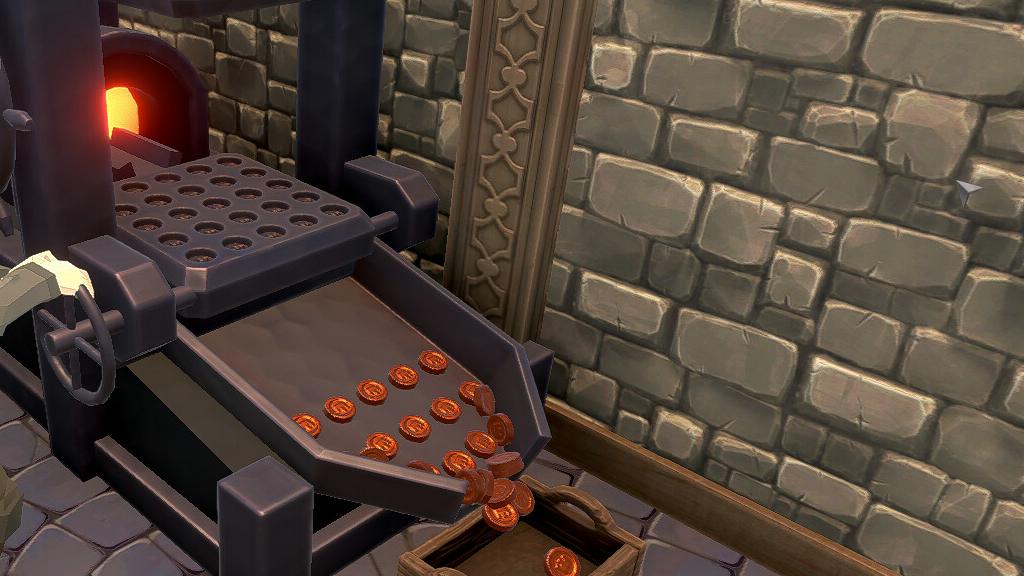
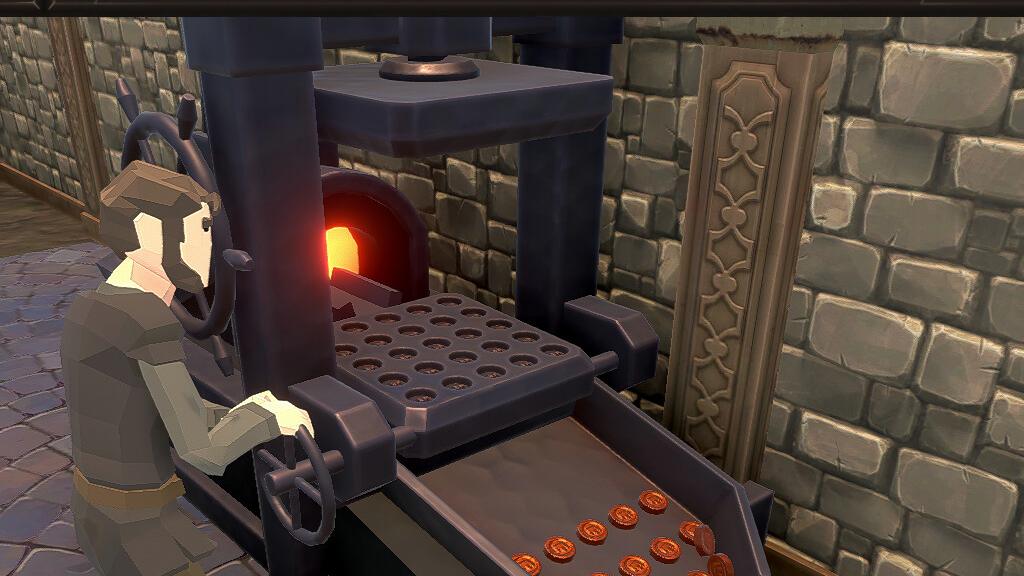
Steel is limited by iron ingots, not by ore. Two smelters running iron will outproduce one smelter running steel every time.
The chain, step by step
- Iron ore comes from the Iron Mine (200 mastery points), from an Ore Crate purchase (30 gold per ore, unlocked by Smelting 1), or from trade routes.
- Iron ingot: ore goes into a Smelter, ingot comes out. Iron ore and iron ingots are the only two metals you can buy outright.
- Steel ingot: iron ingots go back into the Smelter. This is the step players miss, because the game does not prompt it.
- Large steel ingot: steel ingots combine again for the tier-three product, used by the heaviest weapons and armour.
The chain is the same shape for every metal: copper to bronze, silver to sterling silver, gold to medium gold. Each step roughly doubles the value and halves the number of items you can hold.
The blacksmith master ingots→ page goes deeper on the exact numbers and edge cases.
Why the smelter stalls
Three causes, in order of frequency:
- No ingot storage. The smelter will not run steel if there is nowhere to put the output. Build a Storage (200 gold, 4x4) before the second smelt, not after.
- An assistant is transferring the same ingots back and forth. Transfer ingots requires at least two ingot storages, and a badly assigned task can cycle stock instead of feeding the smelter.
- Ore is in the warehouse, not in an Ore Crate. The smelter pulls from nearby storage. Warehouse stock must be moved by an assistant or restocked by hand.
The fixing order is storage, then task assignment, then supply. Most "smelter broken" reports are the first one.
How much steel does an order need?
A steel sword blueprint typically consumes two to four steel ingots. At Metalworking 0 a single steel ingot is not a fast craft, and the smelt itself is a separate wait. If you accept a two-sword order with zero steel in storage, you have accepted a two-day job for a one-day timer.
The practical buffer is eight steel ingots in storage before you take any steel order. That covers one weapon plus a spare, and it means a timed offer is deliverable the moment it appears.
| Product | Ingots needed | Craft time at Metalworking 0 |
|---|---|---|
| Iron dagger | 1 iron | 12 s |
| Iron sword | 2 iron | 24 s |
| Steel sword | 2 steel | 24 s plus smelt |
| Steel greatsword | 4 steel | 48 s plus smelt |
Craft time is per ingot, so material count is also time count. That is why steel orders feel slow even though the anvil work is identical.
Smelting nodes and what they actually change
- Smelting 1 (150): unlocks the Smelter and the Ore Crate, which is the entry to the whole metal economy.
- Smelting 2 (200): the 10x6 smelter, more parallel smelts.
- Smelting 3 (500): the 12x6 smelter and the tier-three metals.
- Advanced Metalworking (500): faster metal crafts, which shortens the anvil half of the job but not the smelt half.
If steel feels slow, Smelting 2 is usually the better 200 points than a new anvil. Two smelters change throughput; a second anvil only changes the queue after the ingots exist.
Buying your way to steel
Iron ore at 30 gold per unit through the Ore Crate is expensive but legal, and it is the correct move when a timed steel order is worth 800 gold and your mine is empty. Thirty ore is 900 gold, which is a loss; three ore is 90 gold, which is fine.
The rule: buy ore to finish an order, never to build stock. Stock comes from the mine and from trade routes, where the per-unit cost is effectively zero once the route is running.
Steel in the mid-game economy
Steel unlocks the weapons that carry the 400+ gold price band, which is where rack sales stop being pocket money. It also gates the armour line and most of the 1.0 item sets.
The transition point is around day 25 to 35: iron orders still pay the wages, steel racks pay the upgrades. A shop that never builds the steel chain stays at 200 gold per item forever, which is exactly enough to hire workers and not enough to buy a mine.
A steel-first workshop layout
Put the smelter next to the ore crate and the ingot storage, with the anvil one room away. Assistants move ore in and ingots out; the smith never carries metal. Two smelters, one storage, one ore crate, and a single doorway keeps the whole chain inside a 12x10 block.
That block is the reason the basement exists in most mature shops.
Official source: Hooded Horse wiki: Resource gathering ↗ — ore sources and mine nodes. Official source: Hooded Horse wiki: Mastery Tree ↗ — Smelting and Advanced Metalworking costs. Official source: Hooded Horse wiki: Shop ↗ — Smelter sizes and storage capacities.
FAQ
Can I buy steel ingots directly? No. Iron ore and iron ingots are purchasable; steel must be smelted.
Do I need a second smelter for steel? You need a smelter that is not permanently occupied by iron. Two smelters is the comfortable answer; one smelter plus a large iron buffer also works.
Does steel need coal? No fuel system is documented. The smelter runs on ore and time.