
Blacksmith Master Beginner Guide: Days 1-10 Step by Step
Your first ten days in Blacksmith Master 1.0: which orders to take, when to hire, what to build, and the mistakes that stall a new forge.
The opening of Blacksmith Master is deceptively quiet. You have one furnace, one anvil, a water bucket, seven blueprints and a merchant counter that only accepts three orders at a time. Nothing tells you that hiring too early drains your account, and nothing warns you that a missing Water Bucket stops a whole craft. Ten days is enough to see all the failure modes once. This guide is the order that avoids them, and it assumes the 1.0 build with its rebalanced prices.
If you only read one other page before day 5, make it the quality-of-life tips→.
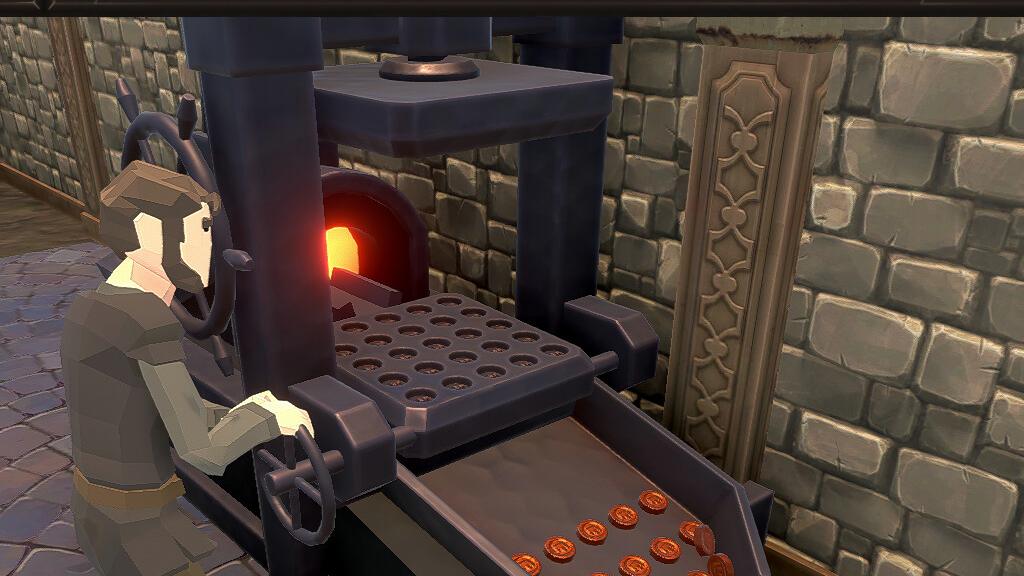
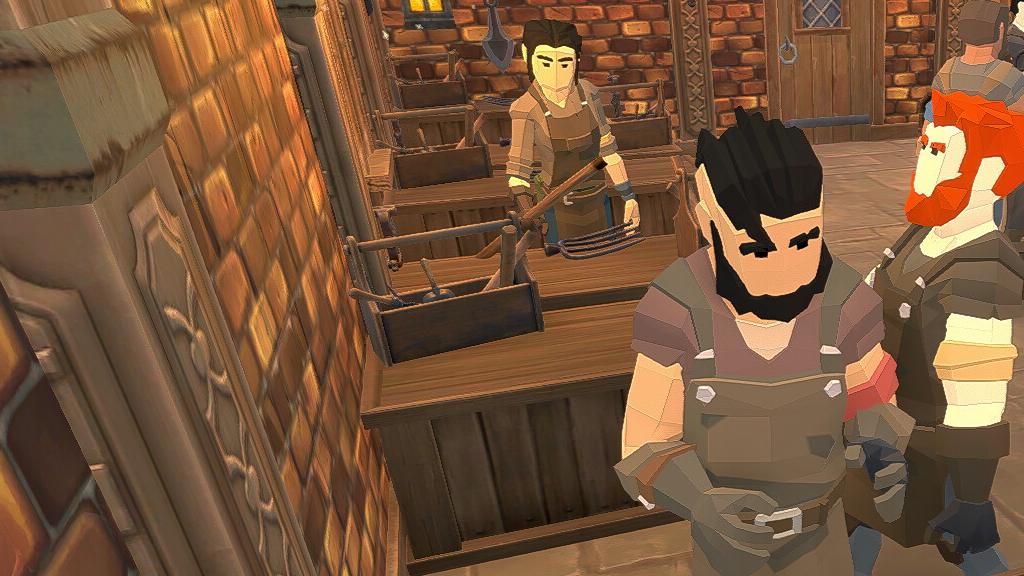
Pick the standard difficulty for a first shop. Random events in 1.0 can remove customers for a day, and on a fresh save that is a lost day of income you cannot absorb.
Day 1: accept small, finish everything
Merchants post five offers each morning into three order slots. Each offer lists the item, the quantity and the gold. Take the cheapest orders that match your starting blueprints: Kitchen Knife, Tankard, Tomahawk and Iron Goblet all need exactly one Iron Ingot.
Your smith will heat the ingot at the furnace, carry it to the anvil, hammer it, then cool it in the Water Bucket. If any station is missing or unreachable, the craft stalls with a warning icon. Keep the three stations within a few tiles of each other on day one; walking time is the real cost, not the ingot.
Iron Ingots can be bought from the Storage for 30 gold each, which is the tutorial's safety net. Use it sparingly. A Kitchen Knife sells for 73 gold at common quality, so one purchased ingot plus one craft still leaves 43 gold of margin, but that margin disappears if the order sits unfinished overnight.
Day 2-3: the storage decision
Build a Storage (200 gold, 4x4) as soon as the first orders clear. It holds 225 tier-one ingots, 150 tier-two or 90 tier-three, and it can be set to any unlocked ingot type. Set it to Iron Ingot early so the right-click restock works.
That restock is the single most useful beginner trick in the game: with a Storage set to Iron Ingot, right-clicking refills it for 30 gold per ingot without opening a menu. It is also a trap. At 30 gold per ingot, a shop that restocks constantly is paying retail for every order while its own mine sits locked behind 200 mastery points.
Wood Pile (200 gold, 4x2, 30 wood) matters the moment Carpentry unlocks, because oak restock costs 15 gold per log and wooden blueprints have no ingot cost at all.
Day 4-6: when to hire the second blacksmith
The hire pool shows three workers per day. Refreshing costs 25 gold and doubles each time up to 400, and the minimum fee for any hire is 150 gold. A level-1 blacksmith costs 60 gold per day plus 12 per level, so a level-3 smith is 96 gold daily.
Hire the second blacksmith when your order slots run dry before the day ends, not before. Two smiths sharing one furnace will queue on heat, so pair the hire with either a second furnace (400 gold) or a Staff Bench (50 gold) plus a second anvil (650 gold). In practice, day 4 is early and day 6 is comfortable.
Assistants are not worth hiring before the Assistants node (60 points) because the transfer tasks they need only appear once you have multiple ingot storages. A novice assistant with an empty task list still draws 47 gold per day.
Every blacksmith and assistant finishes the current task and then stops. The End Day button appears once the shop is settled. If you end the day with a half-finished order, the timer does not pause; late deliveries cost reputation and, from day 8, timed orders take a 20% gold cut.
Day 7-8: the first mastery points
Mastery points arrive from crafting quality, not from days survived. Making a batch of common Kitchen Knives gives very little; upgrading a blueprint and then crafting it gives noticeably more.
The first purchases that never feel wasted:
| Node | Cost | What it unlocks |
|---|---|---|
| Carpentry | 1 | Carpentry Table (300 gold) and wooden blueprints |
| Staff | 2 | Staff Bench, three worker seats |
| Construction | 20 | Wall building and demolition |
| Discounted Wood | 30 | Cheaper wood restock |
| Hiring 1 | 45 | Better hire pool |
Carpentry at one point is almost free and gives you something to craft when the ingot shelf is empty. That happens more often than new players expect, because merchants ask for steel before you can make steel.
Day 8-10: the steel wall
Somewhere around day 8 the offers start asking for steel items. Steel is not purchasable at the start. The chain is Iron Ore → Iron Ingot → Steel Ingot, and Smelting 1 costs 150 mastery points, which most shops will not have on day 10.
Two options: decline steel orders until the node is bought, or buy iron ingots and let the smelter handle only the final step. The second option works but burns gold. Plan to have an Ore Crate (250 gold, requires Smelting 1) and a Smelter (500 gold, 8x6) placed before you accept your first steel contract.
Do not panic-buy the Oak Forest node (175 points) at the same time. Wood only becomes urgent once Carpentry blueprints dominate your order board, and by then the pine and birch routes are close.
What to check before you end day 10
- Order slots: at least two filled for tomorrow, none with a timer you cannot meet.
- Ingots: enough iron for the queued orders, plus ten spare.
- Workers: nobody standing idle with an empty task; reassign or fire.
- Gold: above 300 after wages, or you cannot restock tomorrow.
- Mastery: at least 45 points spent, ideally on Carpentry and Staff.
If two of those are false, the shop is not broken, it is just early. The roadmap → covers what to fix first in each phase.
Official source: Blacksmith Master on Steam ↗ — store description and systems. Official source: Hooded Horse wiki: Beginner's Guide ↗ — starting loop and day-end behaviour. Official source: Steam beginner guide by the community ↗ — an alternative route through the first week.
FAQ
How much gold should I have on day 10? Around 800-1,200 gold after wages, assuming you hired one extra blacksmith and built a Storage. Less means orders were declined too often; more usually means you under-hired and left slots empty.
Do I need to feed workers? No food system exists. Workers cost daily gold, nothing else.
Can I sell items back? Yes, placed items sell for 70% of purchase price, and selling a storage returns its contents to the warehouse.